ZERO CARBON
Romsey Abbey
A Church of England Demonstrator project


OUR ZERO CARBON MISSION
Take care of the earth (Genesis 2.15)
To demonstrate that
Romsey's 12th century Abbey,
with the support of its
congregation and the local community,
can
reduce its dependence on fossil fuels for heating and lighting
whilst
conserving its architecture and heritage
and so
lighten its impact on God's earth
as an
inspiration to others
LATEST NEWS
April 2026
Workshops with heating and lighting consultants
January 2026
Consultants undertaking studies for lighting and heating solutions
December 2025
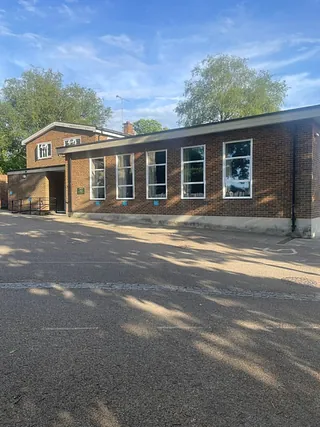
Double-glazed doors and windows installed in the Church Rooms
October 2025
Carbon dioxide levels increased by record amount in 2025 (WMO report)
Duis aute irure dolor in reprehenderit in voluptate sit amet mauris commodo
The problem
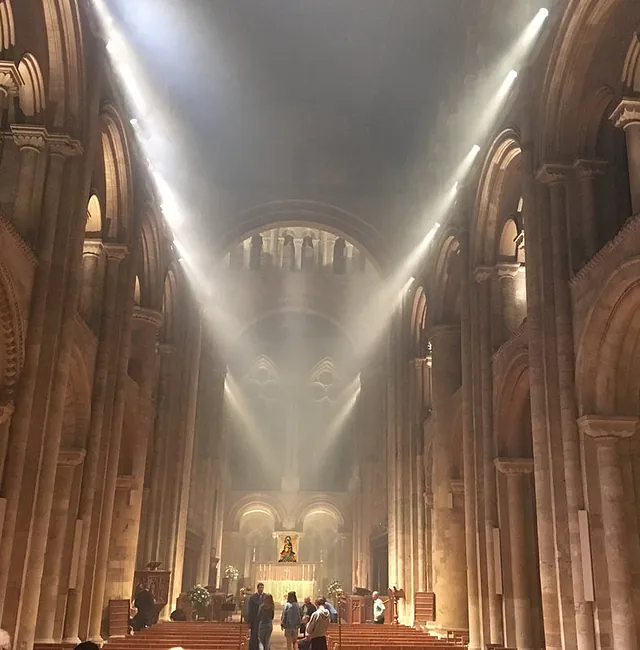
The Church of England has set itself the target of net zero carbon by 2030. The Parish of Romsey's current carbon footprint is around 70 tonnes of carbon dioxide equivalent per year, of which around 50 tonnes is generated from gas for our heating and 20 tonnes from electricity, the largest single component of which is around 10 tonnes from the Abbey lighting.
For more information about the challenge facing us click on the button below.
Demonstrator Church status
As part of its zero carbon strategy, the Demonstrator Churches project from the Church of England's Net Zero Programme aims to support high carbon emitting churches with zero carbon projects. As work progresses, the network of Demonstrator Churches - representing many different types of community and situations - will share what they have learned more widely with dioceses and parishes so that all Church of England churches can learn from their experiences.
Romsey Abbey is fortunate to have been selected for Demonstrator Church status and in 2025/26 is receiving support for technical advice for our zero carbon projects. We will then seek support for Stage 2, implementation of proposals.
What we are planning to do
Replacing our heating system will have the most dramatic impact on reducing our carbon emissions, but will be a complex project with many factors to consider, including avoiding adverse impacts on the fabric of our Grade I listed building.
Replacing our Abbey spotlights with LEDs can be done more easily, and will tackle the largest user of electricity in the Abbey.
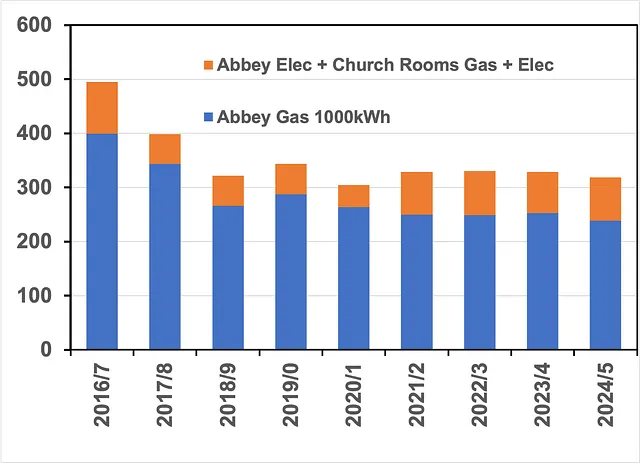
Figure: The Abbey and Church Rooms annual energy consumption over the last 10 years
The dominant part is for gas for heating the Abbey. For comparison, an average three-bedroomed house uses 15,000kWh per year.
How low could our zero carbon project take us in the next 10 years?
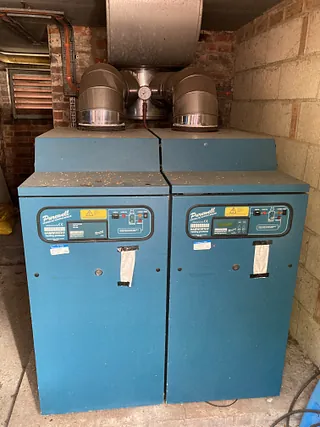
Our Church Rooms heating system uses an elderly gas boiler which needs to be replaced. We have already installed double glazed windows and external doors which will reduce energy consumption.
St Swithun's Church has a very small carbon footprint as it is already heated and lit with electricity generated from renewable sources. We will continue to look for energy efficiency improvements.
For further information on each of our projects, click on the links below
Heating
Heating our Abbey building is the greatest challenge. We need to move to a non-carbon heat source and .....
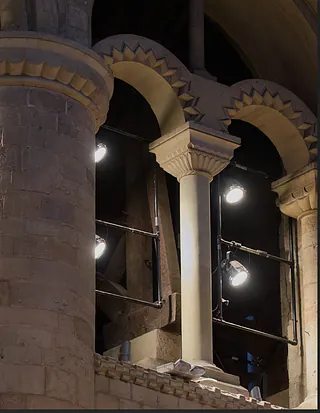
Lighting
Replacing our Abbey halogen spotlights with LEDs will tackle the largest user of electricity in the Abbey.....